
South Africa Anti-Immigration Protests
Index Summary
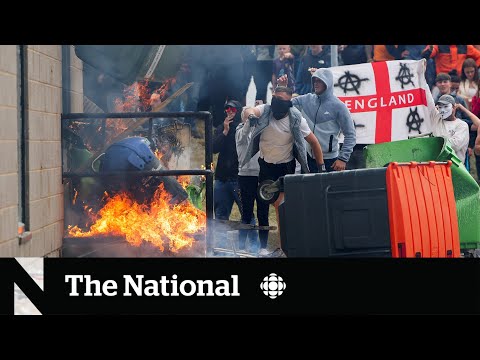
The recent anti-immigration protests in South Africa have sparked widespread concern and condemnation from various countries and international organizations. The protests, which have been occurring every week for a month, have been characterized by demonstrators accusing immigrants of taking jobs, being involved in crime, and overtaking the local economy. According to reports, the protests have resulted in the deaths of five Mozambican nationals, with many more injured. The Nigerian police have also warned against reprisal attacks against South Africans. The situation has led to a significant increase in tensions between South Africa and its neighboring countries, with many calling for the South African government to take action to address the issue. The protests have also raised concerns about the safety and well-being of immigrants in South Africa, with many organizations and governments urging the South African government to provide protection and support to those affected. The situation is being closely monitored by international organizations and governments, with many calling for calm and restraint. The protests have also highlighted the need for greater understanding and tolerance between different communities, and for the South African government to take steps to address the root causes of the issue. The situation is complex and multifaceted, and requires a nuanced and thoughtful approach to resolve. The protests have also raised questions about the role of social media in perpetuating hate speech and xenophobia, and the need for greater regulation and accountability in this area. The situation is ongoing, and it remains to be seen how it will be resolved.
This public information index entry was compiled on June 07, 2026.
Associated Entities
The South African government has been criticized for its response to the anti-immigration protests, with many calling for greater action to address the issue.
The Mozambican government has condemned the anti-immigration protests in South Africa, and has called for greater action to protect the rights of Mozambican nationals.
The Nigerian police have warned against reprisal attacks against South Africans, and have called for calm and restraint in the face of the anti-immigration protests.
Event Chronology
Anti-immigration protests begin in South Africa
The anti-immigration protests began in South Africa, with demonstrators accusing immigrants of taking jobs, being involved in crime, and overtaking the local economy.
Five Mozambican nationals die in anti-immigration protests
Five Mozambican nationals died in the anti-immigration protests in South Africa, with many more injured.
Nigerian police warn against reprisal attacks against South Africans
The Nigerian police warned against reprisal attacks against South Africans, and called for calm and restraint in the face of the anti-immigration protests.
Community Sentiment Poll
Broader Context
The anti-immigration protests in South Africa have significant cultural and social implications, both within the country and internationally. The protests have highlighted the deep-seated tensions and prejudices that exist between different communities in South Africa, and have raised concerns about the safety and well-being of immigrants. The situation has also highlighted the need for greater understanding and tolerance between different communities, and for the South African government to take steps to address the root causes of the issue. The protests have also raised questions about the role of social media in perpetuating hate speech and xenophobia, and the need for greater regulation and accountability in this area. The situation is complex and multifaceted, and requires a nuanced and thoughtful approach to resolve. The protests have also highlighted the need for greater international cooperation and support to address the issue, and for the South African government to take a more proactive role in addressing the root causes of the issue. The situation is ongoing, and it remains to be seen how it will be resolved.
Frequently Asked Questions
What are the main reasons behind the anti-immigration protests in South Africa?
The main reasons behind the anti-immigration protests in South Africa are the perceived threat to jobs, the involvement of immigrants in crime, and the perceived takeover of the local economy by immigrants. The protests have been characterized by demonstrators accusing immigrants of these issues, and have resulted in the deaths of five Mozambican nationals and many more injured.
What is the response of the South African government to the anti-immigration protests?
The South African government has been criticized for its response to the anti-immigration protests, with many calling for greater action to address the issue. The government has been accused of being too slow to respond to the issue, and of not doing enough to address the root causes of the problem.
What is the role of social media in perpetuating hate speech and xenophobia in the context of the anti-immigration protests?
Social media has been accused of perpetuating hate speech and xenophobia in the context of the anti-immigration protests, with many calling for greater regulation and accountability in this area. The situation is complex and multifaceted, and requires a nuanced and thoughtful approach to resolve.
Don't see your question? Ask our indexer:
Sources & References
This briefing was compiled using data scraped from the following reputable news outlets and search indices:
-
South Africa has seen anti-immigrant protests every week for a month. Demonstrators accuse immigrants of taking jobs, being involved in crime and overtaking the local economy. #dwnews - facebook.com
Source: facebook.com
-
Mozambique says five nationals die in South African anti-immigrant attacks - Reuters
Source: Reuters
-
Nigeria police warn against reprisal attacks against South Africans - BBC
Source: BBC