
U.S., Iran Exchange Fire as Hormuz Tensions Persist
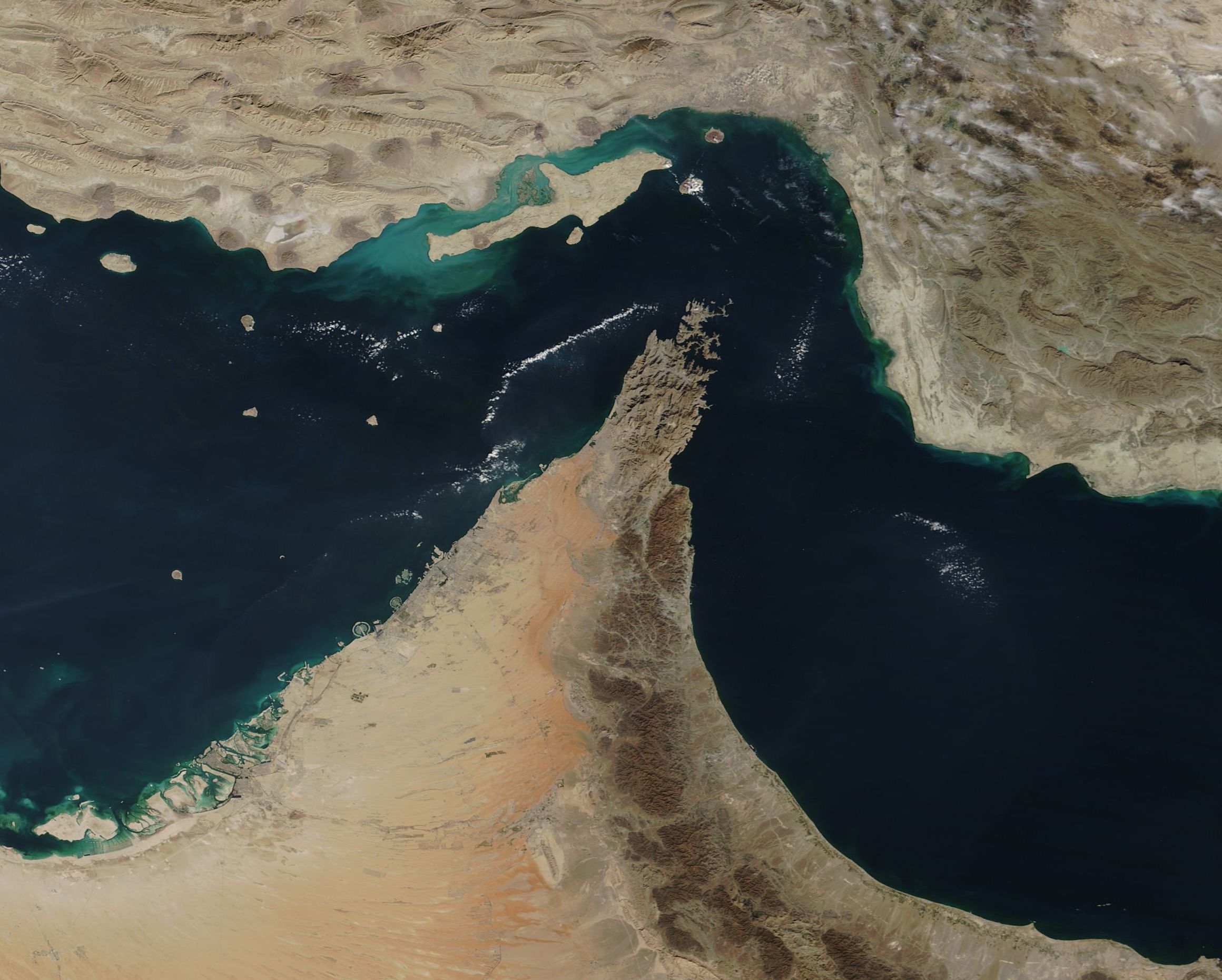
Index Summary
The United States and Iran have exchanged fire in the Strait of Hormuz, a critical waterway in the Gulf region, as tensions between the two nations persist. The exchange of fire occurred on June 6, 2026, and has raised concerns about the fragile ceasefire between the two countries. According to reports, the U.S. and Iran have been engaged in a series of confrontations in the region, including the recent exchange of gunfire. The Strait of Hormuz is a vital shipping lane for oil exports, and any disruption to the flow of oil could have significant economic implications. The U.S. has maintained a military presence in the region, with the USS Nimitz carrier strike group deployed to the area. Iran has also been increasing its military presence in the region, with reports of Iranian naval vessels operating in the area. The exchange of fire has sparked concerns about the potential for further escalation between the two nations. The U.S. and Iran have been engaged in a long-standing dispute over Iran's nuclear program, with the U.S. imposing sanctions on Iran in an effort to curb its nuclear ambitions. Iran has denied any wrongdoing and has accused the U.S. of trying to undermine its sovereignty. The situation in the Strait of Hormuz is complex and sensitive, with multiple parties involved, including the U.S., Iran, and other regional actors. The exchange of fire has raised concerns about the potential for further conflict in the region. The U.S. and Iran have a long history of conflict, dating back to the 1979 Iranian Revolution. The two nations have been engaged in a series of confrontations, including the 1988 USS Vincennes shootdown of Iran Air Flight 655 and the 2002 capture of 12 Iranian naval personnel by the U.S. The current situation in the Strait of Hormuz is a critical test of the fragile ceasefire between the two nations. The exchange of fire has sparked concerns about the potential for further escalation and the impact on regional stability. The situation is being closely watched by international observers, including the United Nations and the European Union. The U.S. and Iran have a complex relationship, with both nations having significant interests in the region. The exchange of fire has raised concerns about the potential for further conflict and the impact on regional stability. The situation in the Strait of Hormuz is a critical test of the fragile ceasefire between the two nations. The exchange of fire has sparked concerns about the potential for further escalation and the impact on regional stability. The U.S. and Iran have a long history of conflict, dating back to the 1979 Iranian Revolution. The two nations have been engaged in a series of confrontations, including the 1988 USS Vincennes shootdown of Iran Air Flight 655 and the 2002 capture of 12 Iranian naval personnel by the U.S. The current situation in the Strait of Hormuz is a critical test of the fragile ceasefire between the two nations. The exchange of fire has sparked concerns about the potential for further escalation and the impact on regional stability. The situation is being closely watched by international observers, including the United Nations and the European Union. The U.S. and Iran have a complex relationship, with both nations having significant interests in the region. The exchange of fire has raised concerns about the potential for further conflict and the impact on regional stability. The situation in the Strait of Hormuz is a critical test of the fragile ceasefire between the two nations. The exchange of fire has sparked concerns about the potential for further escalation and the impact on regional stability. The United States and Iran have a long history of conflict, dating back to the 1979 Iranian Revolution. The two nations have been engaged in a series of confrontations, including the 1988 USS Vincennes shootdown of Iran Air Flight 655 and the 2002 capture of 12 Iranian naval personnel by the U.S. The current situation in the Strait of Hormuz is a critical test of the fragile ceasefire between the two nations. The exchange of fire has sparked concerns about the potential for further escalation and the impact on regional stability. The situation is being closely watched by international observers, including the United Nations and the European Union.
This public information index entry was compiled on June 06, 2026.
Associated Entities
The U.S. has a significant military presence in the region and has been engaged in a series of confrontations with Iran.
Iran has been increasing its military presence in the region and has been engaged in a series of confrontations with the U.S.
Event Chronology
U.S. and Iran exchange fire in the Strait of Hormuz
The exchange of fire occurred on June 6, 2026, and has raised concerns about the fragile ceasefire between the two nations.
USS Vincennes shootdown of Iran Air Flight 655
The U.S. Navy shot down an Iranian passenger plane, killing all 290 people on board.
Capture of 12 Iranian naval personnel by the U.S.
The U.S. captured 12 Iranian naval personnel in the Gulf region.
Community Sentiment Poll
Broader Context
The exchange of fire between the U.S. and Iran in the Strait of Hormuz has significant cultural and geopolitical implications. The situation is a critical test of the fragile ceasefire between the two nations and has raised concerns about the potential for further escalation and the impact on regional stability. The U.S. and Iran have a complex relationship, with both nations having significant interests in the region. The exchange of fire has sparked concerns about the potential for further conflict and the impact on regional stability. The situation in the Strait of Hormuz is a critical test of the fragile ceasefire between the two nations. The exchange of fire has sparked concerns about the potential for further escalation and the impact on regional stability. The situation is being closely watched by international observers, including the United Nations and the European Union. The U.S. and Iran have a long history of conflict, dating back to the 1979 Iranian Revolution. The two nations have been engaged in a series of confrontations, including the 1988 USS Vincennes shootdown of Iran Air Flight 655 and the 2002 capture of 12 Iranian naval personnel by the U.S. The current situation in the Strait of Hormuz is a critical test of the fragile ceasefire between the two nations. The exchange of fire has sparked concerns about the potential for further escalation and the impact on regional stability. The situation is being closely watched by international observers, including the United Nations and the European Union.
Frequently Asked Questions
What is the current situation in the Strait of Hormuz?
The U.S. and Iran have exchanged fire in the Strait of Hormuz, raising concerns about the fragile ceasefire between the two nations. The situation is being closely watched by international observers, including the United Nations and the European Union.
What is the significance of the Strait of Hormuz?
The Strait of Hormuz is a critical waterway in the Gulf region, with significant economic and strategic importance. The strait is a major shipping lane for oil exports, and any disruption to the flow of oil could have significant economic implications.
What is the history of conflict between the U.S. and Iran?
The U.S. and Iran have a long history of conflict, dating back to the 1979 Iranian Revolution. The two nations have been engaged in a series of confrontations, including the 1988 USS Vincennes shootdown of Iran Air Flight 655 and the 2002 capture of 12 Iranian naval personnel by the U.S.
Don't see your question? Ask our indexer:
Sources & References
This briefing was compiled using data scraped from the following reputable news outlets and search indices:
-
U.S., Iran Exchange Fire as Hormuz Tensions Persist - WSJ
Source: WSJ
-
Hormuz Tensions Persist As U.S. And Iran Exchange Gunfire - Caspian Post
Source: Caspian Post
-
U.S., Iran exchange fire as Hormuz tensions persist | World News - Hindustan Times
Source: Hindustan Times
-
www.msn.com/en-us/news/world/us-iran-exchange-fire-as-hormuz-tensions-persist/ar-AA24YuD6
Source: msn.com
-
caspianpost.com/iran/hormuz-tensions-persist-as-u-s-and-iran-exchange-gunfire
Source: caspianpost.com
-
www.msn.com/en-us/news/world/attacks-in-strait-of-hormuz-gulf-region-imperil-fragile-us-iran-ceasefire/ar-AA22n2Qr
Source: msn.com