
Canadian Prime Minister Mark Carney Confronts New US Tariffs After Trade Talks Collapse
Key Takeaways
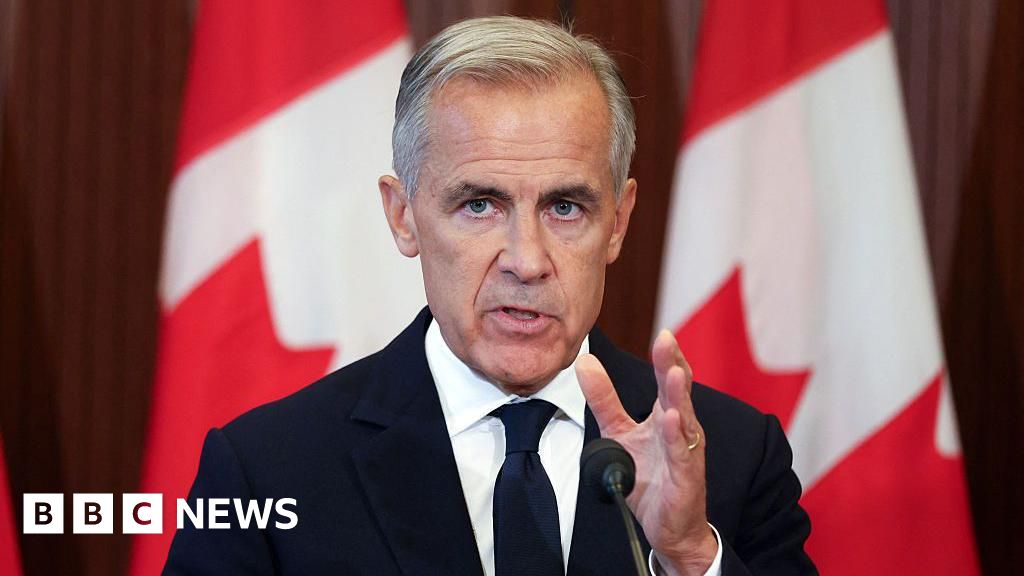
- Prime Minister Mark Carney announced Canada will match new US tariffs dollar-for-dollar starting 8 September.
- Trade talks between Canada and the US collapsed after both sides failed to agree on last-minute terms.
- The new US tariffs cover $20 billion in Canadian goods, including steel, dairy, and electronics.
- Leaked audio revealed US Vice-President JD Vance mocking Carney for his approach to the trade negotiations.
- Canadian political leaders across party lines have expressed support for the prime minister's decision to retaliate.
Why It Matters
The Core Event: Canadian Prime Minister Mark Carney has formally declared that a new wave of United States tariffs on Canadian goods represents a significant strategic miscalculation. Following the sudden collapse of high-stakes trade negotiations on Friday, the Canadian government confirmed that it will implement retaliatory measures on a dollar-for-dollar basis starting 8 September. This escalation marks a severe deterioration in the historically integrated economic relationship between the two neighboring nations, effectively signaling the onset of a formalized trade conflict.
The Shift in Relations: The breakdown of these talks represents a stark departure from the optimistic tone maintained by both delegations earlier in the week. While negotiators had initially signaled that a compromise was within reach, the process unraveled as both sides accused the other of introducing last-minute, unacceptable demands. The BBC reports that the new US duties, which target approximately $20 billion worth of Canadian imports, will impact sectors ranging from dairy and wine to construction materials and specialized equipment.
Evidence from Primary Sources: The political friction is further exacerbated by leaked audio from a private fundraiser, where US Vice-President JD Vance reportedly mocked the Canadian leader for attempting to engage in a public display of strength against Donald Trump. The Guardian notes that these comments, made in a private setting in New York, have introduced an additional layer of diplomatic tension, complicating any immediate path to a renewed agreement. France 24 highlights that despite the immense economic risks involved, the Canadian administration has maintained a unified front, receiving support from both opposition parties and provincial leaders.
Immediate Context: The current impasse stems from long-standing disputes over market access, particularly regarding the sale of US alcohol within Canadian provinces. The White House had previously justified the 50% tariff threat as a direct response to what it termed discriminatory treatment by Canada. With the failure of the latest round of diplomacy, the focus has shifted toward the specific retaliatory measures that the Canadian government plans to announce in the coming days, setting the stage for a prolonged period of economic volatility.
Published on August 23, 2026. Fact-checked and verified against referenced sources.
Who is Affected?
Chronology of Events
Initial Tariff Threats
The US threatens tariffs on Canada, leading to Canadian restrictions on US alcohol sales in several provinces.
50% Tariff Announcement
The White House announces 50% tariffs on Canadian goods in retaliation for discriminatory treatment.
Initial Tariff Deadline
The US sets a deadline for tariffs, which is later paused for three days.
Leaked Audio Emerges
Audio of JD Vance mocking Mark Carney is shared with the Canadian Press.
Trade Talks Collapse
Negotiations fail, and Prime Minister Mark Carney confirms Canada will retaliate on 8 September.
Entities & Perspectives
Community Sentiment Poll
The Bigger Picture
By The Numbers
Macro Impact
Read Full Analysis
The Erosion of North American Economic Integration
The current trade impasse between Canada and the United States represents a fundamental shift in the post-war economic order that has defined North American relations for decades. The deep integration of supply chains, particularly in the automotive, energy, and agricultural sectors, has long been viewed as a bedrock of stability. However, the recent collapse of negotiations suggests that this era of predictable, treaty-based cooperation is being replaced by a more transactional, confrontational model of international commerce. The decision by the Canadian government to retaliate dollar-for-dollar indicates that the administration is prioritizing national sovereignty and domestic political resilience over the preservation of existing trade norms. This move is not merely a tactical response to tariffs but a broader signal that Canada is prepared to endure short-term economic pain to avoid long-term political capitulation to US protectionist demands.
The Politics of Performative Toughness
The leaked remarks from JD Vance provide a rare, candid look into the internal dynamics of the current US administration, where trade policy is increasingly viewed through the lens of domestic optics and political theater. By framing the negotiations as a contest of strength rather than a search for mutual benefit, the US leadership has effectively narrowed the window for diplomatic compromise. This approach forces leaders like Mark Carney into a difficult position, where any concession can be easily weaponized by domestic political opponents as a sign of weakness. The result is a cycle of escalation where both sides feel compelled to adopt increasingly rigid stances to satisfy their respective voter bases, making the resolution of technical trade disputes exponentially more difficult.
Systemic Implications for Global Trade
Beyond the bilateral relationship, the escalation of this trade war carries significant risks for the global economy. As the world’s most integrated trading partners engage in a tit-for-tat tariff battle, the uncertainty created by these policies ripples through global markets, affecting investor confidence and supply chain stability. The reliance on tariffs as a primary tool of statecraft reflects a broader trend of deglobalization, where national security and economic protectionism take precedence over the efficiency of global markets. If this conflict continues, it could serve as a blueprint for other nations to adopt similar protectionist measures, further fragmenting the global economy. The long-term consequences of this shift include higher costs for consumers, reduced economic growth, and the potential for a permanent restructuring of international trade alliances that have stood for generations. The current situation is a critical test of whether modern democratic institutions can manage these pressures without resorting to the destructive economic cycles of the past.
Sources & Citations
The insights in this briefing were curated by our editorial team and synthesized by our intelligence engine using verified reporting from the following primary domains:
About Our Editorial Process
Transparency & Accountability: CurrentDebrief is an independent intelligence platform. This briefing was generated by our proprietary Machine Learning Model, which aggregates and synthesizes reporting exclusively from verified global sources. Every brief is strictly reviewed, fact-checked, and approved by our human editorial team before publication to ensure accuracy and neutrality. We do not endorse the views of any entity profiled.