
Catastrophic Glacial Collapse Triggers Massive Flash Floods on Nepal-Tibet Border
Key Takeaways
- A massive glacial collapse at the Nepal-Tibet border has left over 1,000 people missing.
- Initial reports of an earthquake were corrected by the USGS to a glacial collapse event.
- The missing include hundreds of foreign nationals, primarily pilgrims traveling to Kailash Mansarovar.
- Rescue operations are severely hampered by destroyed roads and the risk of secondary flooding.
- The disaster has prompted a large-scale international response led by the UN and local authorities.
Why It Matters
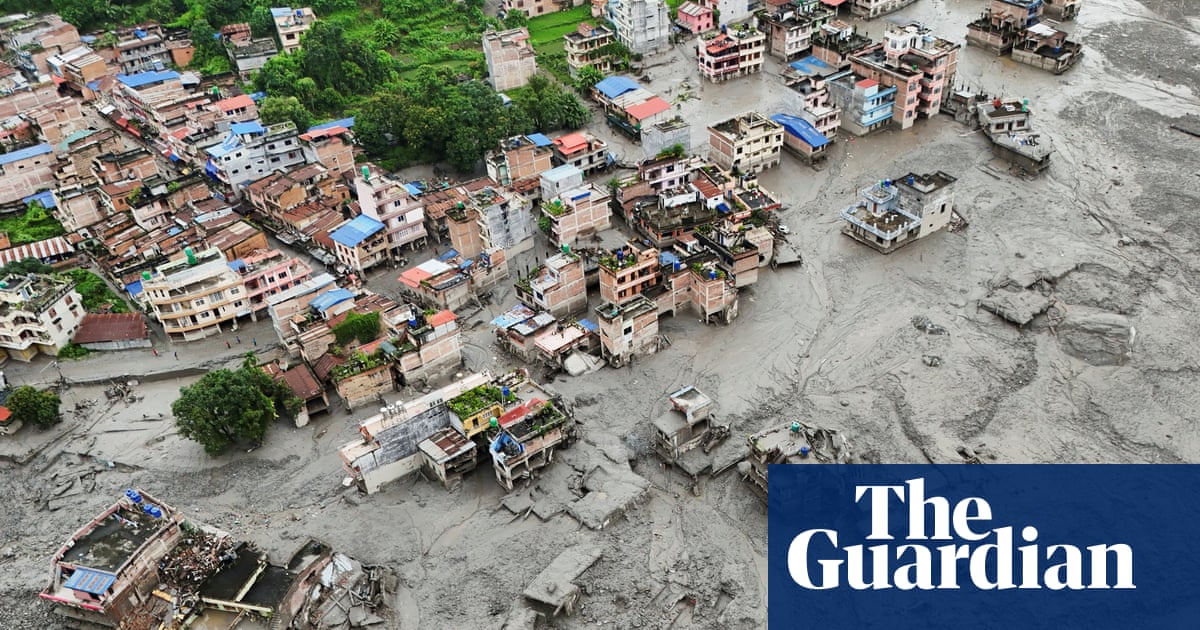
The Core Event: A catastrophic glacial collapse has triggered devastating flash floods along the mountainous border between Nepal and Tibet, resulting in a dire humanitarian crisis. Authorities have confirmed that more than 1,000 individuals remain missing following the surge, which swept through valleys, destroyed infrastructure, and buried entire villages in mud and debris. The preliminary death toll currently stands at 165 in Nepal, with additional casualties reported on the Chinese side of the border.
The Shift in Understanding: While initial reports from local officials suggested that a seismic event or earthquake was responsible for the disaster, subsequent analysis by the United States Geological Survey (USGS) clarified the true nature of the tragedy. Satellite imagery and seismic wave data confirmed that the event was a massive glacial collapse rather than tectonic activity. This distinction is vital for regional disaster management, as the threat of secondary flooding remains a significant concern for rescue teams operating in the area.
Evidence from Authorities: Emergency response efforts are currently being coordinated by the International Federation of Red Cross and Red Crescent Societies, which is deploying essential supplies including first aid kits and temporary shelter equipment. United Nations Secretary-General António Guterres has confirmed that UN teams are actively mobilizing to support affected communities. The scale of the missing persons list is particularly alarming, with hundreds of foreign nationals from countries including the United States, United Kingdom, Australia, and Canada among those unaccounted for.
The Immediate Context: The region is a high-traffic zone for trekkers and pilgrims, many of whom were traveling to the sacred site of Kailash Mansarovar. The sheer volume of water and debris has rendered traditional rescue routes impassable, forcing authorities to rely heavily on helicopter support. As search operations continue, the focus remains on locating survivors buried under mudslides while simultaneously monitoring upstream water levels to prevent further loss of life.
Published on August 27, 2026. Fact-checked and verified against referenced sources.
Who is Affected?
Chronology of Events
Glacial collapse occurs
A massive glacial collapse occurs near the Nepal-Tibet border, initially misidentified as an earthquake.
Official confirmation of disaster
Authorities report over 1,000 missing and 165 confirmed dead in Nepal, with China reporting hundreds more missing.
Entities & Perspectives
Community Sentiment Poll
The Bigger Picture
By The Numbers
Macro Impact
Read Full Analysis
The Fragility of High-Altitude Infrastructure
The disaster at the Nepal-Tibet border highlights the extreme vulnerability of infrastructure in the Himalayas to rapid environmental shifts. As global temperatures rise, the stability of glacial formations is increasingly compromised, creating a new class of natural hazard that defies traditional seismic monitoring protocols. The reliance on the USGS for rapid reclassification of the event from an earthquake to a glacial collapse demonstrates the necessity of integrating satellite-based remote sensing into regional disaster response frameworks. For decades, the Himalayan region has been managed under the assumption of tectonic risk, but the current event forces a paradigm shift toward monitoring cryospheric instability.
Economic and Pilgrimage Connectivity
The area impacted by the flood is not merely a remote wilderness, but a critical corridor for international tourism and religious pilgrimage. The Kailash Mansarovar route serves as a vital economic artery for local communities in both Nepal and Tibet. The destruction of roads, bridges, and power projects will have long-term economic consequences for these regions, which rely heavily on the seasonal influx of visitors. The loss of life among international tourists also introduces a complex layer of diplomatic coordination, as multiple nations work with local authorities to account for their citizens in a region where communication and transport are severely limited.
The Geopolitics of Disaster Response
Disaster management in this region is complicated by the sensitive nature of the China-Nepal border. The involvement of both the United Nations and various national embassies underscores the international dimensions of the crisis. Historically, the management of trans-boundary water resources in the Himalayas has been a point of tension, but the scale of this tragedy necessitates a level of cooperation that transcends borders. The ability of both nations to share data and coordinate search and rescue efforts will determine the survival rates of those still missing in the aftermath of the collapse. Furthermore, the event serves as a stark warning to other high-altitude regions globally that the traditional safety parameters for trekking and infrastructure development are no longer sufficient in an era of rapid climate-driven landscape changes.
Sources & Citations
The insights in this briefing were curated by our editorial team and synthesized by our intelligence engine using verified reporting from the following primary domains:
-
Nepal flash flood: more than 1,000 missing, mostly tourists, after disaster kills at least 165 at Tibet border - The Guardian
The Guardian
-
Nepal-Tibet flash flood: what we know so far - inkl
inkl
-
Australia has just 12,000 sea lions left – and ‘carnage’ may await them as bird flu takes hold, scientists warn - The Guardian
The Guardian
About Our Editorial Process
Transparency & Accountability: CurrentDebrief is an independent intelligence platform. This briefing was generated by our proprietary Machine Learning Model, which aggregates and synthesizes reporting exclusively from verified global sources. Every brief is strictly reviewed, fact-checked, and approved by our human editorial team before publication to ensure accuracy and neutrality. We do not endorse the views of any entity profiled.