
Defense Rests in Lindsay Clancy Triple Murder Trial Following Psychiatrist Testimony
Key Takeaways
- The defense rested its case after calling 10 witnesses to support a claim of postpartum psychosis.
- Dr. Phillip Resnick testified that Clancy was in a psychotic state and lacked control of her actions.
- Prosecutors argue the killings were premeditated and are currently presenting rebuttal witnesses.
- Closing arguments are scheduled for next week following the conclusion of the state's rebuttal.
- Clancy remains paralyzed from a suicide attempt immediately following the deaths of her three children.
Why It Matters
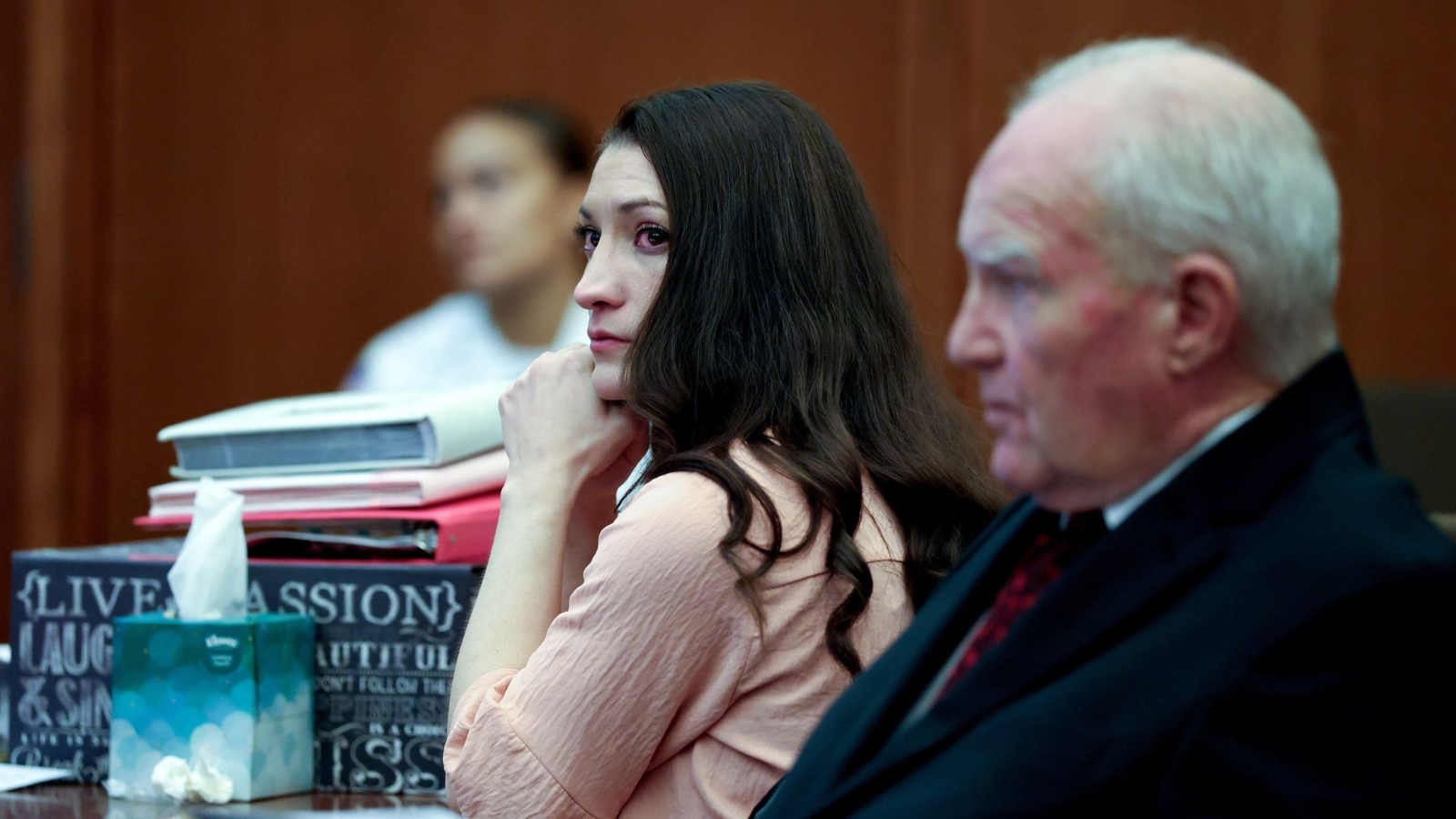
The Core Event: The defense team representing Lindsay Clancy officially rested its case on Friday in a high profile triple murder trial that has gripped the nation. The 36 year old former labor and delivery nurse stands accused of strangling her three young children, Cora, Dawson, and Callan, in their Duxbury, Massachusetts home in January 2023. Following the incident, Clancy attempted suicide by jumping from a window, which resulted in permanent paralysis.
The Legal Strategy: Defense attorney Kevin Reddington has not contested the physical act of the killings. Instead, the defense is anchored in the claim of postpartum psychosis, a severe mental condition characterized by a loss of touch with reality. By presenting testimony from family members and medical experts, the defense argues that Clancy was suffering from a profound mental health crisis that rendered her unable to appreciate the criminality of her actions.
Expert Testimony: The final witness for the defense was Dr. Phillip Resnick, a forensic psychiatrist who specializes in filicide. Resnick testified that Clancy was clearly in a psychotic state on the day of the killings, describing her experience as being akin to a puppet controlled by an external force. His testimony provided a clinical backbone to the defense's assertion that she was experiencing auditory hallucinations that commanded her to harm her children.
Prosecutorial Rebuttal: The Plymouth County District Attorney’s Office has maintained a starkly different narrative throughout the proceedings. Prosecutors argue that the actions taken by Clancy were both meticulous and deliberate, suggesting that her professional background as a nurse provided her with the knowledge to carry out the acts. The state has now begun calling rebuttal witnesses, aiming to dismantle the insanity defense before closing arguments commence next week.
Published on August 22, 2026. Fact-checked and verified against referenced sources.
Who is Affected?
Chronology of Events
Incident in Duxbury
Lindsay Clancy kills her three children and attempts suicide.
Trial Proceedings
The trial enters its fourth week with the defense resting its case.
Defense Rests
Defense team concludes its presentation after expert testimony on postpartum psychosis.
Entities & Perspectives
Community Sentiment Poll
The Bigger Picture
By The Numbers
Macro Impact
Read Full Analysis
The Intersection of Mental Health and Criminal Culpability
The trial of Lindsay Clancy serves as a harrowing case study in the complexities of the American legal system when it confronts severe mental illness. At the heart of the debate is the insanity defense, a legal standard that has long been a lightning rod for controversy. Critics of the defense often argue that such pleas allow defendants to evade accountability for heinous acts, while proponents insist that it is a necessary safeguard for individuals whose cognitive faculties were fundamentally compromised by medical conditions. In this case, the focus on postpartum psychosis brings a specific, often misunderstood medical condition into the public square, forcing a dialogue on how society and the courts should weigh biological and hormonal factors against individual agency.
Defining the Limits of Postpartum Psychosis
Postpartum psychosis is a rare but life-threatening condition that can occur following childbirth, often manifesting as extreme confusion, hallucinations, and delusions. The testimony provided by experts like Dr. Phillip Resnick highlights the difficulty of diagnosing and treating this condition in real-time. The defense has pointed to a history of purported failures by medical providers to adequately address Clancy’s worsening mental health in the months leading up to the tragedy. This narrative shifts the focus from a purely criminal inquiry to a systemic critique of the maternal healthcare infrastructure. If the jury finds that the medical establishment failed to provide necessary intervention, it raises profound questions about liability and the standard of care for mothers experiencing severe psychiatric distress.
The Filicide Debate and Public Perception
The term filicide, the act of a parent killing their child, carries a unique weight in the public consciousness, often evoking visceral reactions that make objective legal analysis difficult. The prosecution's argument that the crime was planned and deliberate seeks to strip away the sympathetic framing of the mother as a victim of her own biology. By emphasizing the cold, calculated nature of the acts, the state attempts to re-center the trial on the victims and the irreversible loss of three young lives. This tension between the defendant’s documented mental state and the objective reality of the crime creates a profound moral conflict for the jury. The outcome of this trial will likely set a significant precedent for how future cases involving postpartum mental health crises are adjudicated, potentially influencing both legal strategy and public policy regarding maternal psychiatric support.
Sources & Citations
The insights in this briefing were curated by our editorial team and synthesized by our intelligence engine using verified reporting from the following primary domains:
-
WATCH: Lindsay Clancy's defense rests after testimony on postpartum psychosis - PBS
PBS
-
Lindsay Clancy's defense rests after psychiatrist testimony in case of mother who killed children - ABC7 New York
ABC7 New York
-
Lindsay Clancy’s triple-murder trial nears its end as defense attorney rests his case - CNN
CNN
About Our Editorial Process
Transparency & Accountability: CurrentDebrief is an independent intelligence platform. This briefing was generated by our proprietary Machine Learning Model, which aggregates and synthesizes reporting exclusively from verified global sources. Every brief is strictly reviewed, fact-checked, and approved by our human editorial team before publication to ensure accuracy and neutrality. We do not endorse the views of any entity profiled.