
Invasive Anopheles Stephensi Mosquito Threatens Rapid Spread Across African Urban Centers
Executive Summary
- Anopheles stephensi is an invasive mosquito thriving in urban environments, unlike traditional rural malaria vectors.
- The species has developed resistance to most current insecticides, rendering standard control methods largely ineffective.
- Rapid urbanization in Africa provides ideal breeding grounds for this mosquito in household water containers.
- Scientists are urgently developing new biological and chemical tools to mitigate the threat of a malaria resurgence.
- The mosquito's ability to survive in cities puts millions of previously low-risk urban residents at new infection risk.
Key Takeaways
- Anopheles stephensi is an invasive mosquito thriving in urban environments, unlike traditional rural malaria vectors.
- The species has developed resistance to most current insecticides, rendering standard control methods largely ineffective.
- Rapid urbanization in Africa provides ideal breeding grounds for this mosquito in household water containers.
- Scientists are urgently developing new biological and chemical tools to mitigate the threat of a malaria resurgence.
- The mosquito's ability to survive in cities puts millions of previously low-risk urban residents at new infection risk.
Intelligence Brief
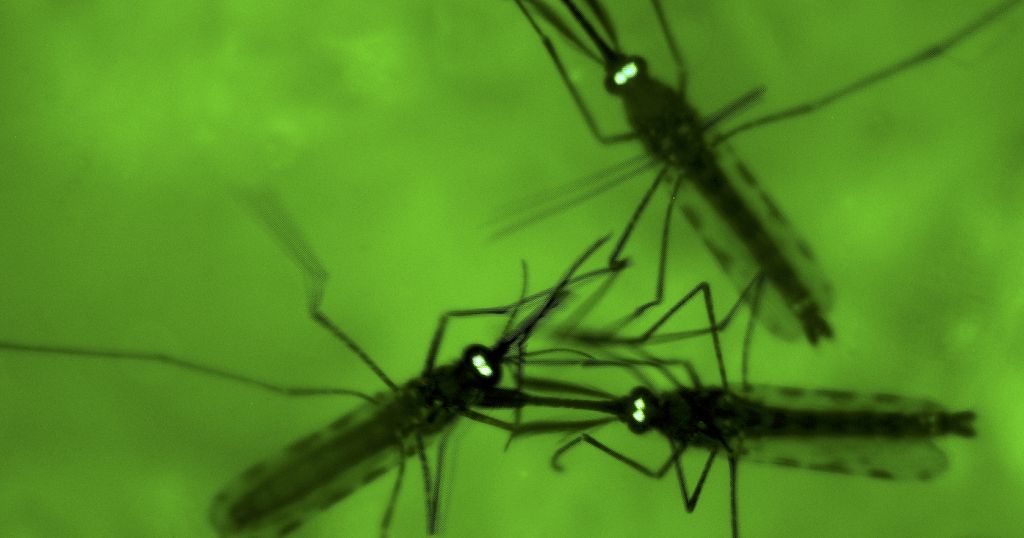
The Current Situation: A highly resilient invasive mosquito species, known as Anopheles stephensi, is currently expanding its footprint across the African continent with alarming velocity. Unlike traditional malaria vectors that typically favor rural environments, this specific mosquito has demonstrated a dangerous affinity for densely populated urban centers. According to reporting from Africanews, the insect is capable of breeding in small, artificial water containers found in homes and buildings, which complicates traditional public health eradication efforts significantly.
The Resistance Challenge: Health experts are raising urgent concerns regarding the species' biological defenses. The Anopheles stephensi has shown a verified resistance to nearly every major class of insecticide currently deployed in malaria control programs. This development effectively undermines one of the most reliable pillars of global health strategy, leaving millions of residents in rapidly growing African cities vulnerable to infection in areas where malaria was previously considered a negligible threat.
The Scientific Response: Researchers are now engaged in a high-stakes race to develop alternative mitigation strategies. The focus has shifted toward biological controls, innovative technological interventions, and the synthesis of next-generation chemical agents. As noted by The New York Times, the speed of this expansion necessitates immediate, coordinated global cooperation to prevent a major resurgence of the disease. The situation remains fluid as scientists work to map the mosquito's migration patterns across the continent.
Broader Implications: The emergence of this vector highlights the fragility of existing public health infrastructure in the face of rapid urbanization and environmental shifts. As the Africanews report emphasizes, the ability of Anopheles stephensi to thrive in man-made environments makes it a unique challenge compared to rural-dwelling species. Future success in containing this threat will depend on the speed at which new, effective insecticides and monitoring technologies can be deployed at scale.
Published on August 21, 2026. Fact-checked and verified against referenced sources.
Who Is Affected
Chronology of Events
Escalation of reports
Health agencies across Africa began reporting higher-than-expected rates of urban malaria.
Global alarm raised
Major media outlets report on the rapid spread and insecticide resistance of Anopheles stephensi.
Entities & Perspectives
Community Sentiment Poll
The Bigger Picture
By The Numbers
Macro Impact
The Urbanization of Malaria Risk
The rapid proliferation of Anopheles stephensi marks a fundamental shift in the epidemiology of malaria within the African continent. Historically, malaria control initiatives have been optimized for rural, agrarian landscapes where mosquito breeding sites are tied to natural water bodies and seasonal rainfall patterns. The adaptation of this species to the urban built environment—utilizing water storage tanks, discarded containers, and drainage systems—effectively bypasses the traditional geographic barriers that previously shielded city dwellers from high transmission rates. This transition forces a total re-evaluation of urban planning and public health policy in major metropolitan areas, as cities were previously considered safer zones regarding vector-borne disease.
The Failure of Chemical Defense Systems
The resistance of Anopheles stephensi to standard insecticides represents a significant setback for global health initiatives. For decades, the use of pyrethroid-treated bed nets and indoor residual spraying has been the cornerstone of malaria reduction strategies. The emergence of a mosquito population that is largely immune to these chemical interventions creates a dangerous gap in protection. This phenomenon is not merely a biological challenge but an economic one, as health ministries must now divert limited resources toward developing and testing novel, more expensive chemical compounds or biological alternatives. The failure of existing chemical defenses threatens to reverse decades of progress in reducing mortality rates associated with the disease.
The Necessity of Global Scientific Coordination
Addressing this invasive species requires a level of international scientific cooperation that transcends borders. Because the mosquito moves through trade routes and human transit, no single nation can effectively manage the threat in isolation. The current crisis has catalyzed a surge in research funding and cross-border data sharing, as scientists attempt to model the expansion of the species across the continent. This collaborative effort is essential for developing a unified response, including the potential use of gene-drive technologies or other advanced biological controls. The long-term success of these efforts will determine whether African cities can maintain their growth trajectories without being hampered by a new, persistent public health crisis. The situation serves as a stark reminder of how rapidly environmental and biological changes can destabilize even the most robust public health systems.
Sources & Citations
The insights in this briefing were curated by our editorial team and synthesized by our intelligence engine using verified reporting from the following primary domains:
About CurrentDebrief Editorial
CurrentDebrief is a neutral intelligence platform. Directed by our human editorial team, our intelligence engine programmatically aggregates, fact-checks, and synthesizes reporting from verified global sources to deliver an objective chronology and broader contextual analysis of developing narratives. We do not endorse the views of any entity profiled.