
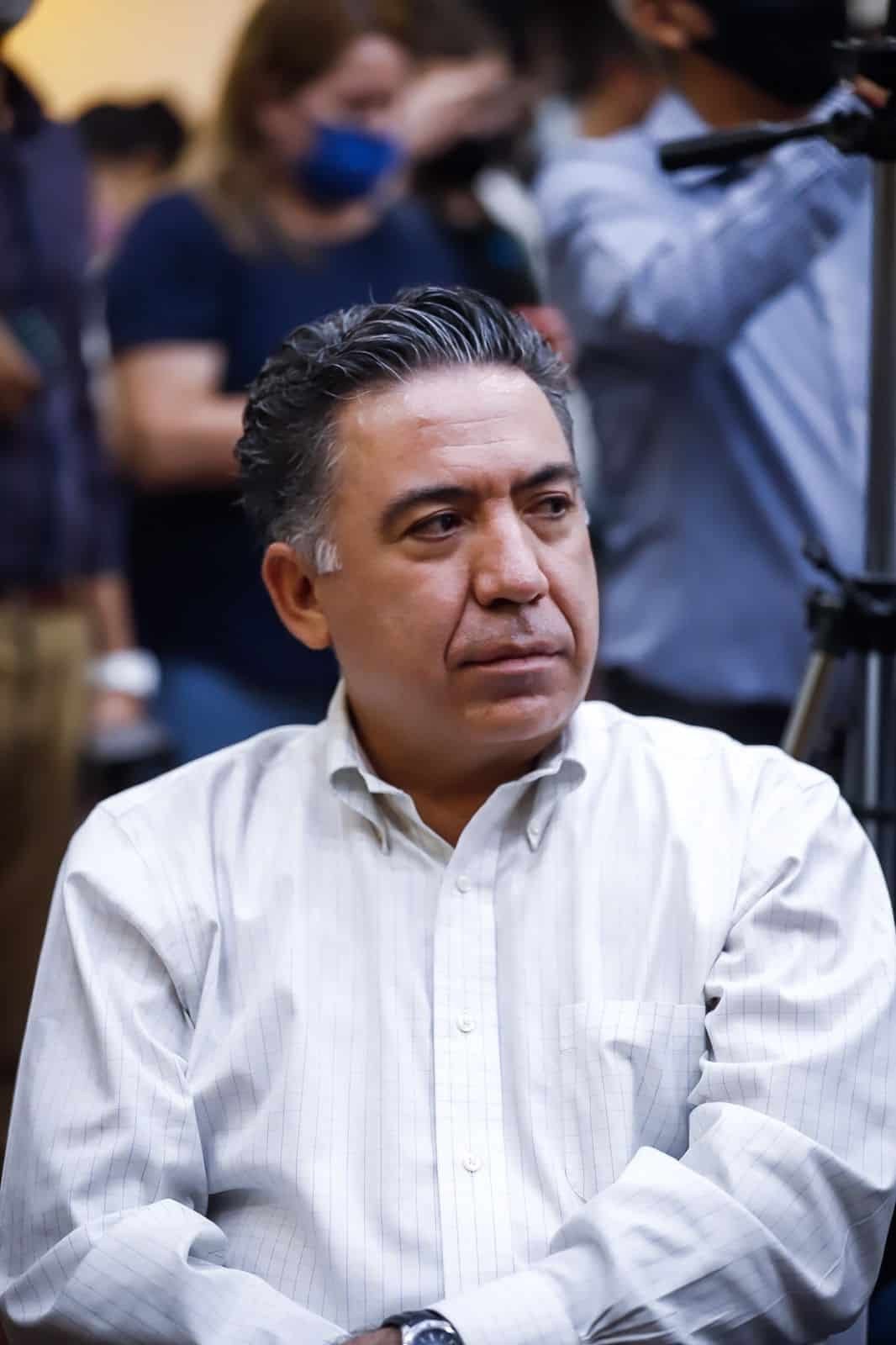
Mexican Senator Enrique Inzunza Faces Legal Jeopardy Following Cartel Indictment
Key Takeaways
- Senator Enrique Inzunza was indicted in the U.S. for alleged drug trafficking and weapons charges.
- He was arrested in San Diego in May 2026 following the unsealing of a federal indictment.
- In August 2026, Inzunza resigned from his political party caucus to serve as an independent senator.
- The arrest has caused significant division among Morena party members regarding his legislative future.
- Inzunza denies all allegations, labeling the U.S. charges as libelous.
Why It Matters
The Core Event: In May 2026, Enrique Inzunza, a prominent Mexican Senator representing the state of Sinaloa, was arrested in San Diego following a high-profile drug trafficking indictment issued by the United States District Court for the Southern District of New York. The arrest marked a dramatic escalation in international efforts to dismantle the alleged nexus between Sinaloa Cartel operations and high-ranking political officials.
The Legal Charges: The indictment, which was unsealed in late April 2026, alleges that Inzunza participated in a massive narcotics importation conspiracy. Beyond drug-related charges, he faces serious accusations involving the possession of machine guns and destructive devices. U.S. authorities, including U.S. Attorney Jay Clayton, have signaled that this case is part of a broader crackdown on corruption that enables the survival of transnational criminal organizations.
Political Fallout: The arrest has sent shockwaves through the Morena political party in Mexico. Internal divisions have emerged regarding whether Inzunza should maintain his legislative duties or resign to face judicial scrutiny. While some party members express belief in his innocence, others view his continued presence as a political liability that invites unnecessary scrutiny upon the movement. By August 2026, Inzunza formally left the party caucus to serve as an independent senator.
Current Status: As of late August 2026, the debate over his potential return to the Senate floor continues to dominate headlines. Despite the gravity of the allegations, Inzunza maintains his innocence, characterizing the accusations as libelous. The situation remains fluid as the Drug Enforcement Administration continues its investigation into the ten officials named in the original indictment, including the sitting governor of Sinaloa.
Published on September 01, 2026. Compiled from referenced news and public sources.
Who is Affected?
| Group / Sector | Impact |
|---|---|
| Morena Party Leadership | The party faces a crisis of credibility and internal friction regarding how to handle members under international criminal investigation. |
| Sinaloa Political Establishment | The indictment of multiple officials, including the governor, creates a vacuum of authority and deep instability in regional governance. |
Chronology of Events
4 Milestones
View Timeline
Timeline
Chronology of Events
4 MilestonesVerified chronological milestones detailing the progression of events leading to the present status.
Indictment Unsealed
The U.S. District Court for the Southern District of New York unseals an indictment against Inzunza and nine other officials.
Arrest in San Diego
Enrique Inzunza is arrested by the DEA in San Diego following the indictment.
Departure from Caucus
Inzunza leaves the Morena caucus to serve as an independent senator.
Senate Return Debate
Morena legislators publicly debate whether Inzunza should participate in the upcoming September session.
Entities & Perspectives
| Entity / Key Figure | Role & Perspective |
|---|---|
|
Morena Party
Divided; some members support his right to serve, others view him as a liability.
|
The political party to which Inzunza belonged. |
|
Jay Clayton
Leading the prosecution against officials linked to the Sinaloa Cartel.
|
U.S. Attorney for the Southern District of New York. |
|
Enrique Inzunza
Maintains innocence and rejects the charges as libelous.
|
Senator from Sinaloa and former secretary general. |
Community Sentiment Poll
The Bigger Picture
Systemic implications, quantitative benchmarks, and projected macro trajectories shaping this event.
By The Numbers
Systemic & Structural Forces
Transnational Anti-Corruption
The increasing reach of U.S. judicial power into foreign political structures.
Cartel Influence
The systemic threat posed by the infiltration of criminal organizations into state governance.
Comprehensive Strategic Analysis
Read Full Analysis
Analysis
Comprehensive Strategic Analysis
The Erosion of Political Immunity and Sovereignty
The indictment and subsequent arrest of Enrique Inzunza represent a fundamental shift in how the United States approaches the prosecution of foreign officials suspected of facilitating cartel activity. Historically, high-ranking politicians in Mexico operated under a cloak of de facto immunity, shielded by their domestic standing and the complexities of international diplomatic relations. The U.S. decision to pursue a sitting senator on charges of narcotics importation and weapons possession signals a departure from traditional soft-power diplomacy, moving toward a more aggressive, judicial-first intervention model. This shift effectively places the burden of proof on the accused within the U.S. court system, regardless of their political status at home.
The Internal Crisis of the Morena Movement
For the Morena party, the Inzunza case is not merely a legal hurdle but a profound existential challenge. The party, which campaigned on a platform of transparency and anti-corruption, finds itself in a precarious position. The internal debate, as documented by reports from Mexico City, highlights a deep-seated tension between the presumption of innocence and the political necessity of maintaining public trust. When senior party figures like Arturo Ávila describe a legislator's potential return as an act of imprudence, it underscores a strategic pivot: the movement is attempting to insulate its broader legislative agenda from the radioactive nature of the U.S. indictment. This internal fracturing threatens to weaken the party's cohesion as it navigates the fallout of the 2026 investigations.
Geopolitical Implications for U.S.-Mexico Relations
The broader context of this case touches upon the delicate balance of the U.S.-Mexico security partnership. By targeting officials who are allegedly on the payroll of the Sinaloa Cartel, U.S. law enforcement is essentially attempting to excise the rot at the top of the administrative hierarchy. This strategy is predicated on the belief that the cartel's logistical success is inextricably linked to state-level complicity. However, this approach risks diplomatic friction, as the Mexican government must grapple with the optics of its officials being detained on U.S. soil. The case serves as a litmus test for the future of cross-border cooperation in intelligence sharing and judicial assistance. If the prosecution of Inzunza results in a conviction, it will likely set a precedent for future indictments of foreign officials, effectively redefining the risks associated with public office in regions where cartel influence is pervasive. The long-term impact on the legislative landscape in Sinaloa remains to be seen, but the immediate effect has been to cast a long shadow over the legitimacy of the political class in the region, forcing a re-evaluation of the ties between governance and organized crime.
In-depth structural, economic, and geopolitical analysis compiled from primary intelligence feeds.
Sources & Citations
The insights in this briefing were curated by our editorial team and synthesized by our intelligence engine using verified reporting from the following primary domains:
-
Possible Return of Enrique Inzunza to the Senate Divides Morena Legislators - Mexico Solidarity Media
Mexico Solidarity Media
-
Mexican Senator reportedly arrested in San Diego for alleged cartel crimes - ABC 10News San Diego
ABC 10News San Diego
-
Mexican senator arrested following drug trafficking indictment: Report - NewsNation
NewsNation
About Our Research Methodology
Transparency & Sourcing: CurrentDebrief is an independent explanatory research platform. This briefing was compiled through algorithmic synthesis of verified news reporting, official records, and open datasets. All key claims are attributed with direct outbound links to original reporting. Readers and publishers can submit updates or corrections directly to currentdebrief@gmail.com.