
South Africa Faces Diplomatic Pressure Over Regional Migration and Democratic Stability
Key Takeaways
- South Africa faces diplomatic backlash after xenophobic campaigns forced over 178,000 migrants to flee the country.
- The Democratic Alliance has criticized the government for ignoring democratic backsliding in neighboring Zimbabwe.
- Pretoria is attempting to pivot the African Union's focus toward a broader summit on migration push factors.
- President Cyril Ramaphosa maintains that South Africa must respect the sovereignty of its neighbors regarding governance.
- Critics argue that ignoring regional authoritarianism directly contributes to the mass migration burden on South Africa.
Why It Matters
The Core Event: The South African government is currently grappling with a severe domestic crisis involving organized xenophobic campaigns that have forced the departure of over 178,000 migrants, primarily from Zimbabwe, Mozambique, and Malawi. This mobilization, occurring ahead of critical local elections, has resulted in significant lawlessness and diplomatic friction, forcing Pretoria into a defensive posture on the international stage.
The Diplomatic Fallout: The situation has escalated to the point where Ghana has formally requested that the African Union (AU) include the issue of xenophobic violence on the agenda for its upcoming summit. While South Africa is actively lobbying to shift the focus toward a broader continental summit on migration, the move has inadvertently highlighted the country's own role in regional instability.
The Political Tension: During a recent session in the South African Parliament, the Democratic Alliance challenged President Cyril Ramaphosa regarding the country's failure to address the democratic backsliding occurring in neighboring states. The critique suggests that by ignoring authoritarianism and state collapse next door, the government has created a situation where the consequences, in the form of mass migration, are inevitably landing on its own borders.
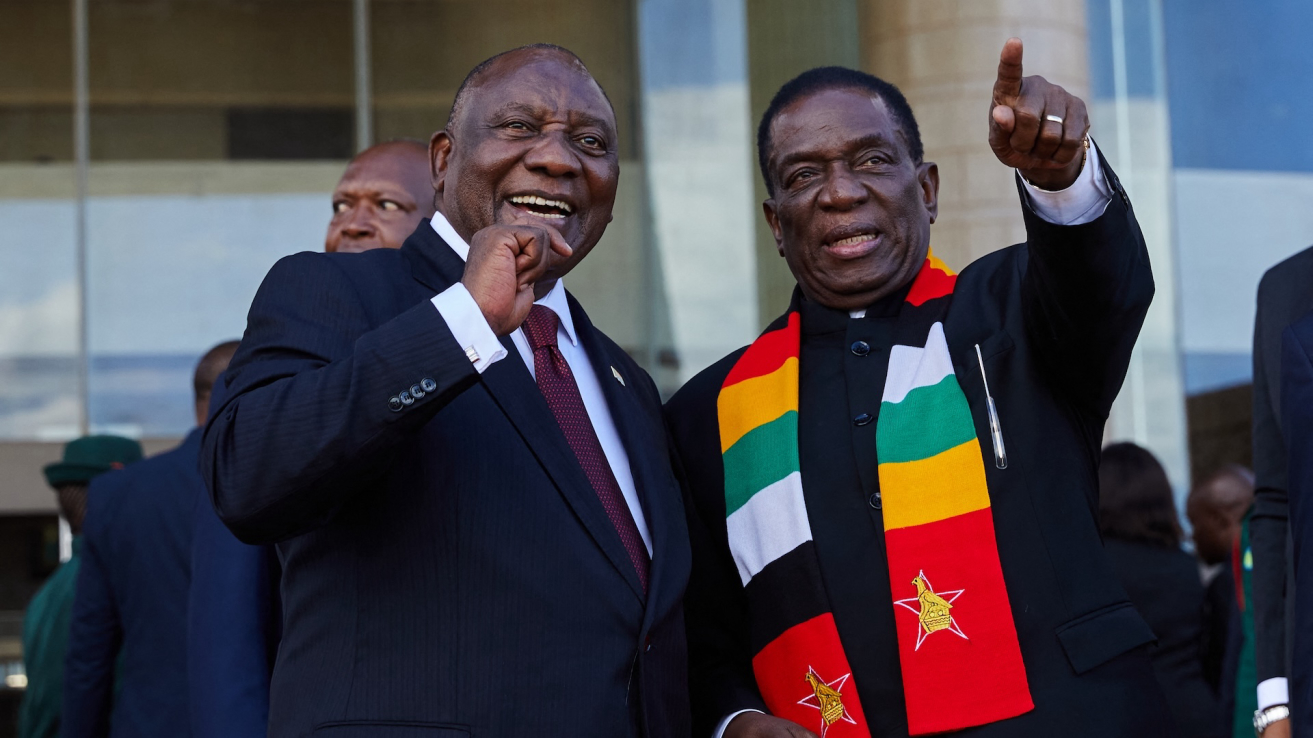
The Official Response: President Cyril Ramaphosa has maintained that governance issues within other nations remain the responsibility of their respective citizens, citing a strict adherence to national sovereignty. This stance, however, is increasingly viewed by critics as an insufficient strategy for managing the complex push and pull factors that drive regional migration patterns in Southern Africa.
Published on August 31, 2026. Compiled from referenced news and public sources.
Who is Affected?
| Group / Sector | Impact |
|---|---|
| Regional Migrants | Migrants face immediate physical threats and forced displacement due to organized xenophobic vigilante activities. |
| South African Government | The administration faces intense diplomatic pressure from the African Union and domestic political opposition. |
Chronology of Events
3 Milestones
View Timeline
Timeline
Chronology of Events
3 MilestonesVerified chronological milestones detailing the progression of events leading to the present status.
Rise of Xenophobic Campaigns
Organized campaigns against migrants from Zimbabwe, Mozambique, and Malawi intensify.
Mass Exodus
Over 178,000 migrants leave South Africa due to threats and lawlessness.
Parliamentary Confrontation
The Democratic Alliance challenges President Ramaphosa on regional democratic backsliding.
Entities & Perspectives
| Entity / Key Figure | Role & Perspective |
|---|---|
|
Mahamoud Ali Youssouf
Engaged in discussions regarding the inclusion of South African xenophobia on the AU agenda.
|
African Union Commission Chairperson |
|
Ryan Smith
Argues that South Africa must actively address regional authoritarianism to mitigate migration pressures.
|
Democratic Alliance Member of Parliament |
|
Cyril Ramaphosa
Advocates for respect of national sovereignty and non-interference in other countries' governance.
|
President of South Africa |
Community Sentiment Poll
The Bigger Picture
Systemic implications, quantitative benchmarks, and projected macro trajectories shaping this event.
By The Numbers
Systemic & Structural Forces
Regional Geopolitics
The shift from quiet diplomacy to a more confrontational approach regarding regional governance.
Migration Management
The failure of domestic policy to address the root causes of international migration flows.
Comprehensive Strategic Analysis
Read Full Analysis
Analysis
Comprehensive Strategic Analysis
The Geopolitical Dilemma of Non-Interference
The tension between South Africa and its neighbors represents a fundamental shift in the application of the principle of sovereignty within the Southern African Development Community. For decades, the policy of quiet diplomacy was the hallmark of South African foreign policy, intended to preserve regional stability. However, the current crisis suggests that this approach has reached a breaking point. As democratic institutions in neighboring states weaken, the resulting economic instability and political repression act as direct catalysts for migration. The South African government is now finding that its refusal to engage with the internal governance of its neighbors has created a vacuum that is being filled by domestic unrest and xenophobic sentiment.
The Economic and Social Cost of Vigilantism
The mobilization of vigilante groups under the guise of migration control is not merely a social issue, but an economic one that threatens the stability of the South African labor market and the rule of law. By allowing lawlessness to persist, the state risks alienating its regional partners and damaging its reputation within the African Union. The exodus of 178,000 migrants is not just a statistical anomaly, it represents a significant loss of human capital and a disruption to the regional supply chain that South Africa relies upon. The political cost of this unrest is equally high, as the government struggles to balance the demands of a frustrated electorate with its international obligations to protect human rights and regional peace.
The Future of Regional Integration
Looking forward, the path to resolving this crisis requires a departure from the current reactive strategy. The debate in Parliament highlights a growing consensus among opposition parties that South Africa must leverage its position as a regional power to encourage democratic reforms. This does not necessarily imply military intervention or overt regime change, but rather a more robust diplomatic engagement that links economic aid and trade agreements to governance benchmarks. If South Africa continues to ignore the democratic backsliding in its backyard, it will likely face a recurring cycle of migration crises that it is increasingly ill-equipped to manage. The long-term stability of the entire region depends on whether Pretoria can reconcile its desire for sovereignty with the reality of its interconnectedness with the democratic health of its neighbors.
In-depth structural, economic, and geopolitical analysis compiled from primary intelligence feeds.
Sources & Citations
The insights in this briefing were curated by our editorial team and synthesized by our intelligence engine using verified reporting from the following primary domains:
About Our Research Methodology
Transparency & Sourcing: CurrentDebrief is an independent explanatory research platform. This briefing was compiled through algorithmic synthesis of verified news reporting, official records, and open datasets. All key claims are attributed with direct outbound links to original reporting. Readers and publishers can submit updates or corrections directly to currentdebrief@gmail.com.