
Springboks Recall Veterans Siya Kolisi and Handre Pollard for Crucial Cape Town Test Against New Zealand
Key Takeaways
- Siya Kolisi and Handre Pollard return to the starting XV for the second Test against New Zealand.
- The Springboks lost the first Test 33-16, marking their heaviest home defeat to the All Blacks.
- Pieter-Steph du Toit is set to captain the team and potentially earn his 100th Test cap.
- The series is a four-match encounter, with the winner claiming the number one world ranking.
- Rassie Erasmus prioritized experience over emerging talent to address defensive failures from the first match.
Why It Matters
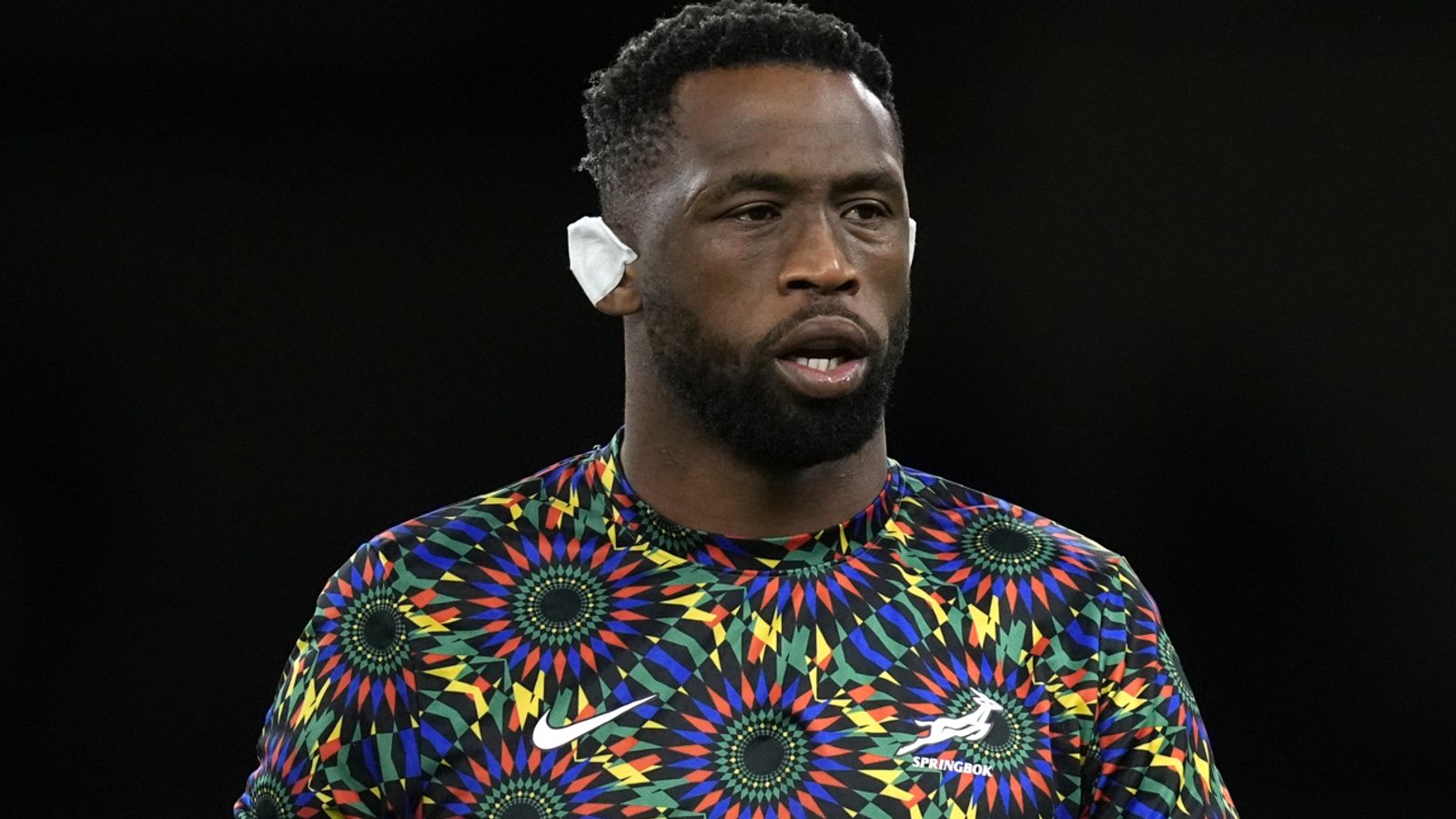
The Core Event: In a decisive move to salvage their four-Test series against the All Blacks, the Springboks have overhauled their lineup for the upcoming clash in Cape Town. Following a bruising 33-16 defeat at Ellis Park, head coach Rassie Erasmus has opted for experience, recalling stalwarts Siya Kolisi and Handre Pollard to the starting XV. The changes aim to address the tactical deficiencies that saw the reigning world champions surrender their top-ranking position to their historic rivals.
Strategic Shifts: The most significant tactical alteration involves the half-back pairing, where Handre Pollard and Cobus Reinach replace the younger duo of Sacha Feinberg-Mngomezulu and the injured Grant Williams. This pivot reflects a clear preference for proven big-match temperament over emerging potential as the team faces the pressure of a must-win scenario. Furthermore, Pieter-Steph du Toit is set to captain the side, potentially reaching his 100th Test cap in what is being marketed as the 'Greatest Rivalry' series.
Evidence from the Pitch: Primary documents and official team announcements confirm that the selection process was heavily influenced by the physical toll of the first Test. With Cheslin Kolbe and Grant Williams ruled out due to niggles, the coaching staff was forced to shuffle the backline, including the introduction of Ethan Hooker on the wing. Rassie Erasmus emphasized that while younger players performed well, the current deficit in the four-match series necessitates the return of established leaders to restore the team's defensive structure and breakdown efficiency.
The Path Forward: The decision to bring back Siya Kolisi, provided he clears final fitness assessments, signifies the importance of his leadership in the forward pack. The Springboks are now looking to leverage their collective institutional knowledge, with a potential starting lineup boasting over 1,000 combined Test caps. This match represents a critical juncture in the series, with the winner positioned to take control of the remaining fixtures and cement their status at the pinnacle of world rugby rankings.
Published on August 26, 2026. Fact-checked and verified against referenced sources.
Who is Affected?
Chronology of Events
First Test Defeat
South Africa loses 33-16 to New Zealand in Johannesburg.
Squad Announcement
Rassie Erasmus announces the return of Kolisi and Pollard for the second Test.
Pre-match Preparation
Final training sessions in Cape Town to monitor Kolisi's fitness.
Second Test Match
South Africa faces New Zealand in Cape Town to level the four-Test series.
Entities & Perspectives
Community Sentiment Poll
The Bigger Picture
By The Numbers
Macro Impact
Read Full Analysis
The Weight of Institutional Legacy
The return of Siya Kolisi and Handre Pollard is not merely a tactical adjustment; it is a profound statement on the value of institutional memory within the Springbok system. In the context of the 'Greatest Rivalry' series, the team is grappling with the transition from a golden generation of world-conquering players to a newer, albeit talented, cohort. The inclusion of these veterans serves as a stabilizing force, ensuring that the team's defensive structure and high-pressure decision-making remain intact under the scrutiny of an expectant nation. This reliance on experience highlights a broader trend in professional rugby where the gap between raw talent and seasoned tactical awareness becomes the deciding factor in high-stakes international series. The historical weight of the rivalry between South Africa and New Zealand demands a level of composure that only players with multiple World Cup campaigns can provide.
Tactical Evolution in the Modern Era
The shift in the half-back pairing from Sacha Feinberg-Mngomezulu to Handre Pollard illustrates the tension between long-term development and immediate results. While the younger generation offers dynamism and flair, the brutal reality of a four-Test series against the All Blacks necessitates a more conservative, territory-focused approach. Pollard's ability to control the game through precision kicking and tactical distribution is seen as the primary antidote to the All Blacks' recent success in exploiting the Springbok defense. This strategic pivot is reflective of a wider shift in modern rugby, where the ability to manage the game's tempo and dictate field position often outweighs individual brilliance. The coaching staff's decision to prioritize this control underscores the high stakes of the series, where every point and every possession is magnified by the historical context of the rivalry.
Global Rankings and the Future of the Rivalry
The implications of this series extend far beyond the immediate results in Cape Town. With the top spot in the world rankings currently held by the All Blacks following their dominant win in Johannesburg, the Springboks are fighting for more than just a series win; they are fighting to maintain their standing as the dominant force in the sport. The 'Greatest Rivalry' series serves as a benchmark for both nations, providing a clear indication of their respective trajectories as they look toward future international tournaments. The economic and cultural impact of this series is significant, as it draws global attention to the tactical nuances and physical intensity that define the sport. The outcome of this series will likely influence the strategic direction of both teams for the coming years, setting the standard for how the game is played at the highest level of competition.
Sources & Citations
The insights in this briefing were curated by our editorial team and synthesized by our intelligence engine using verified reporting from the following primary domains:
-
South Africa vs New Zealand: Siya Kolisi, Handre Pollard return as Springboks look to level Test series in Cape Town - Sky Sports
Sky Sports
-
Pollard back as Boks hunt Cape Town redemption - novanews.co.za
novanews.co.za
-
Pollard returns as Springboks reshuffle their halves combo for second Test - Flashscore.com
Flashscore.com
About Our Editorial Process
Transparency & Accountability: CurrentDebrief is an independent intelligence platform. This briefing was generated by our proprietary Machine Learning Model, which aggregates and synthesizes reporting exclusively from verified global sources. Every brief is strictly reviewed, fact-checked, and approved by our human editorial team before publication to ensure accuracy and neutrality. We do not endorse the views of any entity profiled.