
Zimbabwe Ferry Disaster Death Toll Reaches 94 Following Overcapacity Incident on Lake Kariba
Executive Summary
- The death toll from the Lake Kariba ferry disaster has reached 94 people.
- The ferry was carrying 180 passengers, doubling its official capacity of 90.
- Government officials confirmed the vessel was overloaded with both passengers and cargo.
- This is now recorded as the deadliest transportation tragedy in Zimbabwe's history.
- Search and rescue operations are ongoing for those still missing following the capsize.
Key Takeaways
- The death toll from the Lake Kariba ferry disaster has reached 94 people.
- The ferry was carrying 180 passengers, doubling its official capacity of 90.
- Government officials confirmed the vessel was overloaded with both passengers and cargo.
- This is now recorded as the deadliest transportation tragedy in Zimbabwe's history.
- Search and rescue operations are ongoing for those still missing following the capsize.
Intelligence Brief
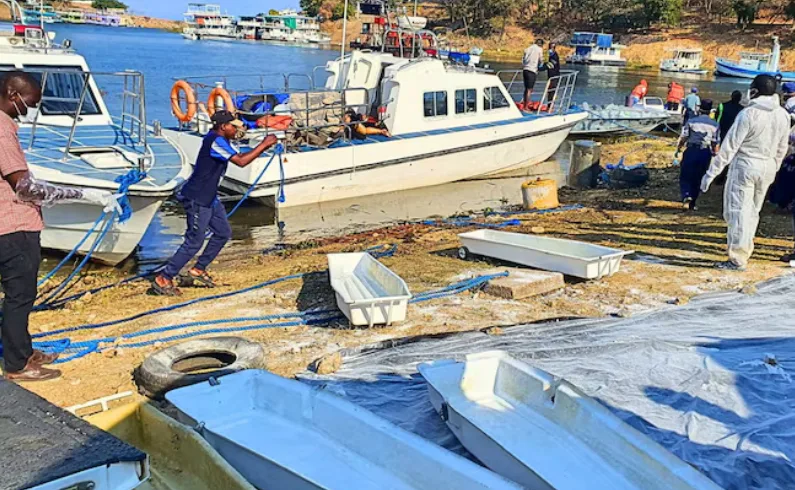
The Current Situation: A catastrophic maritime accident on Lake Kariba has claimed the lives of at least 94 people, according to reports confirmed by the government of Zimbabwe on August 18, 2026. The ferry disaster, which occurred as the vessel traveled toward a remote rural community, is now officially recognized as the deadliest transportation tragedy in the history of the nation. The vessel, which was government-owned, was reportedly carrying approximately 180 passengers and a significant amount of cargo at the time of the incident.
The Operational Failure: Authorities have confirmed that the vessel significantly exceeded its safety limits. While the ferry was designed to accommodate 90 passengers, it was carrying double that capacity when it encountered heavy waves and capsized. The Zimbabwean authorities have acknowledged that both the passenger count and the volume of cargo on board surpassed the permissible carrying capacity of the craft. This realization has sparked immediate scrutiny regarding maritime safety protocols and the oversight of public transportation infrastructure in the region.
Search and Recovery: Emergency response teams have been working continuously since the incident occurred last week. While approximately 77 survivors have been successfully rescued from the waters of the artificial reservoir, the search-and-rescue operation remains active. The steady rise in the death toll throughout the week highlights the severity of the capsizing and the logistical challenges faced by responders in the remote area of Zimbabwe.
Historical Context: The tragedy has surpassed the previous record for the deadliest transport accident in the country, which was a bus crash that occurred in 1991, resulting in 89 fatalities. The state-controlled newspaper The Herald has extensively documented the scale of this loss, reflecting the national mourning currently underway. As the government continues its investigation into the circumstances surrounding the overloading of the vessel, the public is left to grapple with the implications of this preventable loss of life on one of the world's largest man-made lakes, which serves as a critical border waterway between Zimbabwe and Zambia.
Published on August 19, 2026. Fact-checked and verified against referenced sources.
Who Is Affected
Chronology of Events
Ferry capsizes on Lake Kariba
A government-owned ferry carrying 180 passengers capsized in heavy waves.
Death toll reaches 94
The government confirmed the death toll had risen to 94 and admitted the vessel was over capacity.
Entities & Perspectives
Community Sentiment Poll
The Bigger Picture
By The Numbers
Macro Impact
The Crisis of Infrastructure and Oversight
The tragedy on Lake Kariba serves as a stark illustration of the systemic vulnerabilities inherent in rural transportation infrastructure across Southern Africa. When government-owned assets fail, the breach of public trust is profound. The fact that a vessel designed for 90 people was permitted to depart with 180 passengers and heavy cargo suggests a failure in regulatory enforcement that extends beyond a single captain or crew. In many developing economies, ferry services are the primary, and often only, link between isolated rural communities and urban centers. When these lifelines become hazardous, the economic and social isolation of these regions is exacerbated. The incident forces a necessary national conversation about the prioritization of safety over expediency in public transport, particularly in regions where alternative road infrastructure is either non-existent or impassable due to the geography of the Zambezi River basin.
Maritime Safety in the Age of Climate Volatility
Lake Kariba, as one of the world's largest man-made reservoirs, presents unique challenges to maritime safety. The lake is prone to sudden, severe weather shifts, including the heavy waves that reportedly contributed to the capsizing of this ferry. As global climate patterns become increasingly unpredictable, the engineering standards for vessels operating on such large inland bodies of water must be reassessed. The reliance on aging or inadequately maintained government fleets is a common theme in maritime disasters globally, but the specific context of Lake Kariba highlights the intersection of environmental risk and administrative negligence. The loss of 94 lives is not merely a statistical outlier; it is a reflection of the urgent need for modernization in maritime safety equipment, stricter adherence to load-bearing regulations, and improved meteorological monitoring to warn vessels of dangerous conditions before they depart port.
The Sociopolitical Fallout of Preventable Tragedy
In the aftermath of the disaster, the Zimbabwean government faces intense pressure to demonstrate accountability. The comparison to the 1991 bus crash, which long held the title of the nation's deadliest transport disaster, provides a historical mirror that amplifies the current public outcry. When a government-owned entity is the source of such a tragedy, the political implications are immediate. Citizens look to the state not only for rescue and recovery but for a transparent explanation of how such a significant breach of safety protocols was allowed to occur. This event will likely trigger a comprehensive audit of all government-operated transport services, potentially leading to significant policy shifts regarding maritime licensing, vessel inspection schedules, and the training of personnel. The long-term impact on the public psyche, particularly for those living in the communities surrounding the lake, will be a lingering distrust of the very services meant to connect them to the broader economy. The government's ability to navigate this crisis will be a definitive test of its commitment to public safety and institutional reform in the coming months.
Sources & Citations
The insights in this briefing were curated by our editorial team and synthesized by our intelligence engine using verified reporting from the following primary domains:
-
The death toll from the ferry disaster in Zimbabwe has risen to 94 - Українські Національні Новини (УНН)
Українські Національні Новини (УНН)
-
Zimbabwe ferry death toll reaches 94 as government confirms it was over capacity - Reuters
Reuters
-
Zimbabwe ferry death toll reaches 94 as government confirms it was over capacity - Internazionale
Internazionale
About CurrentDebrief Editorial
CurrentDebrief is a neutral intelligence platform. Directed by our human editorial team, our intelligence engine programmatically aggregates, fact-checks, and synthesizes reporting from verified global sources to deliver an objective chronology and broader contextual analysis of developing narratives. We do not endorse the views of any entity profiled.