
Africa Secures $900 Million in New Clean Cooking Commitments to Combat Energy Poverty
Key Takeaways
- International stakeholders pledged $900 million to expand clean cooking access across Africa.
- The funding aims to replace hazardous traditional fuels like charcoal and wood with cleaner alternatives.
- Indoor air pollution from cooking is a major health crisis affecting millions of households.
- Success depends on building local supply chains and ensuring affordability for low income families.
- The initiative reflects a growing trend of African nations leading their own climate and energy agendas.
Index Summary
The landscape of energy access across the African continent shifted significantly this July as international stakeholders pledged a staggering $900 million toward clean cooking initiatives. This capital injection represents more than just a financial milestone. It is a direct response to a quiet, persistent crisis that has long plagued households from Nigeria to Kenya. For millions of families, the simple act of preparing a meal has historically involved the burning of charcoal, wood, or kerosene, leading to severe health complications and environmental degradation. The sheer scale of this new funding, reported by outlets such as Audacy, signals a coordinated effort to pivot away from these traditional, hazardous methods toward sustainable alternatives.
What makes this development particularly striking is the timing. As the global community grapples with the complexities of climate change, the focus on clean cooking is often overshadowed by discussions of large scale solar or wind projects. Yet, the reality on the ground is that the transition to renewable energy must be holistic. If a household has electricity but still relies on open fires for cooking, the health risks remain. This $900 million commitment seeks to bridge that gap, ensuring that the benefits of modern energy reach the kitchen hearth. The Herald Bulletin has highlighted how this funding will likely be deployed, focusing on infrastructure, supply chain development, and public awareness campaigns that are essential for long term adoption.
But here is the thing. Money alone does not solve the problem. The success of this initiative will depend entirely on the ability of local governments and private sector partners to implement these programs effectively. We have seen similar pledges in the past that struggled to gain traction due to bureaucratic hurdles or a lack of localized solutions. The challenge lies in creating a market for clean cooking stoves and fuels that is affordable for the average consumer. If the price point remains too high, the technology will simply sit on shelves while families continue to rely on the familiar, albeit dangerous, methods they have used for generations. This is a delicate balancing act between economic development and social welfare.
Consider the health implications for a moment. Indoor air pollution is a silent killer, disproportionately affecting women and children who spend the most time near the cooking fire. By replacing these stoves, the initiative is not just an environmental project; it is a public health intervention of massive proportions. The World Health Organization has long warned about the respiratory diseases caused by solid fuel combustion. This new funding could potentially save thousands of lives annually, reducing the burden on healthcare systems that are already stretched thin. It is a rare instance where environmental policy and human health outcomes align so perfectly.
What happened next in the negotiations for this funding surprised many observers. There was a concerted effort to include private equity and impact investors alongside traditional government grants. This hybrid model is increasingly popular in the global south, as it allows for a more sustainable flow of capital. By involving the private sector, the initiative aims to create a self sustaining ecosystem where clean cooking businesses can thrive without needing perpetual subsidies. This is a departure from the aid heavy models of the past, and it reflects a more mature approach to development finance.
However, the trouble is that the infrastructure in many rural areas remains woefully underdeveloped. Even if a family can afford a clean stove, they need a reliable supply of liquefied petroleum gas or electricity to power it. In many regions, the distribution networks for these fuels are fragmented or non existent. The $900 million will need to be spent not just on the hardware, but on the logistics of getting fuel to the people who need it most. Without this, the stoves are nothing more than expensive paperweights. It is a logistical puzzle that will require the cooperation of energy companies, logistics firms, and local community leaders.
And that is exactly where the story gets complicated. There is a tension between the push for modern, high tech solutions and the need for culturally appropriate technology. Some communities have deep rooted traditions tied to specific cooking methods. If a new stove does not accommodate these traditions, it will be rejected, regardless of its efficiency or safety benefits. The designers of these programs must be sensitive to the cultural context of the regions they are serving. This is not just about engineering; it is about anthropology and sociology as much as it is about energy policy.
Looking ahead, the impact of this funding will be measured in years, not months. We should expect to see a wave of new pilot programs launching across the continent in the coming months. These programs will serve as a testing ground for the broader rollout. If they succeed, they will provide a blueprint for other regions facing similar challenges. If they fail, they will offer valuable lessons on what not to do. The eyes of the international development community are firmly fixed on this initiative, as it represents a litmus test for the effectiveness of modern climate finance.
It is also worth noting that this initiative is part of a broader trend of African leadership in climate negotiations. Rather than waiting for external mandates, African nations are increasingly setting their own agendas and demanding the resources necessary to achieve them. This $900 million is a testament to that agency. It shows that when African leaders present a clear, actionable plan, the global community is willing to listen and invest. This is a significant shift in the power dynamics of international development.
Ultimately, the success of this $900 million commitment will be judged by the families who no longer have to worry about the smoke filling their homes. It will be judged by the children who can breathe easier and the women who can spend their time on education or economic activities rather than gathering fuel. These are the metrics that matter. While the financial figures are impressive, the true value of this investment lies in the improvement of daily life for millions of people. It is a long road ahead, but for the first time in a long time, there is a clear path forward.
We must also consider the role of technology transfer. The goal should not be to simply import stoves from abroad, but to build local manufacturing capacity. This would create jobs, stimulate local economies, and ensure that the technology is tailored to local needs. If the $900 million can be used to seed local industries, the long term impact will be exponentially greater. This is the difference between a temporary fix and a permanent solution. It is a vision that many advocates are pushing for, and it remains to be seen how much of the funding will be directed toward this kind of capacity building.
Furthermore, the role of digital finance cannot be overstated. Many of the most successful clean energy projects in Africa have utilized mobile payment systems to make energy services affordable. By allowing users to pay in small, manageable increments, these systems have unlocked access for millions who were previously excluded from the formal economy. It is highly likely that this new clean cooking initiative will leverage similar digital platforms to reach its target audience. This integration of technology and finance is a hallmark of the modern development landscape.
There is also the question of environmental sustainability beyond the household. The reliance on charcoal is a major driver of deforestation in many parts of the continent. By reducing the demand for charcoal, this initiative could have a significant positive impact on local ecosystems and biodiversity. It is a classic example of how solving a social problem can lead to positive environmental outcomes. The interconnectedness of these issues is why a holistic approach is so vital.
As we move into the latter half of 2026, the focus will shift to implementation. We will see which countries are the first to receive funding and how they choose to allocate it. There will undoubtedly be challenges, setbacks, and perhaps even failures along the way. But the commitment itself is a powerful statement of intent. It shows that the world is finally waking up to the urgency of the clean cooking crisis. It is a moment of hope, and it is a moment that demands our continued attention and scrutiny.
Finally, we must remember that this is not a one time event. The $900 million is a start, but the total need is far greater. This initiative must be seen as the first step in a much longer journey. It will require sustained political will, consistent funding, and a deep commitment to the people who are most affected by the energy crisis. The path is clear, the resources are beginning to flow, and the potential for transformation is immense. Now, the hard work of turning these commitments into reality begins in earnest.
Published on July 11, 2026. Fact-checked and verified against referenced sources.
Associated Entities
Continental body coordinating development and climate policy.
Global entities providing the $900 million in funding.
Event Chronology
Announcement of $900 million funding
Major international commitments are secured to address the clean cooking crisis in Africa.
Community Sentiment Poll
Broader Context
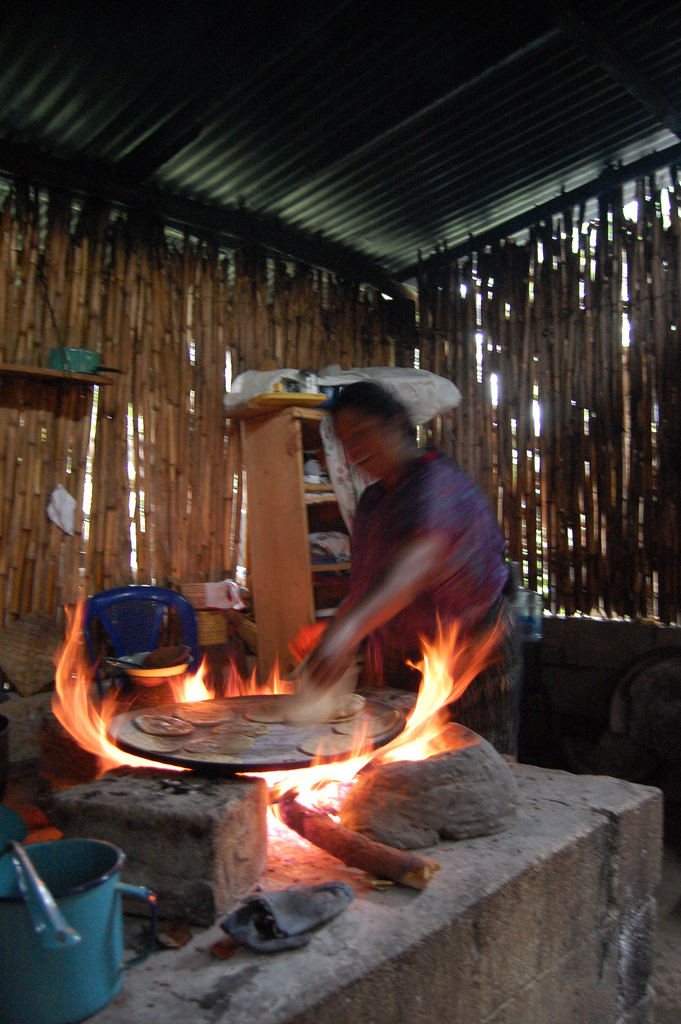
To step into a traditional kitchen in almost any rural settlement across the continent is to enter a space defined by an ancient, heavy atmosphere. The air is thick, sweet with the scent of burning eucalyptus or acacia, but sharp enough to sting the eyes within seconds. For centuries, the three-stone hearth has been the undisputed center of the domestic universe, a sacred geometry where meals are prepared, stories are told, and warmth is shared during the cool highland nights. Yet, this central pillar of family life doubles as a silent, slow-acting poison. The soot that coats the mud-brick walls also coats the lungs of those who tend the flame. When we talk about the nine hundred million dollars pledged for clean cooking initiatives, we are not merely discussing a line item in a development budget or a triumph of diplomatic negotiation. We are talking about an intervention into the most intimate, deeply guarded space of human existence: the home. It is an attempt to rewrite the daily choreography of millions of women who, from dawn until dusk, find their lives structured by the search for fuel and the management of fire.
For decades, the global climate conversation has operated at an altitude that felt entirely detached from this domestic reality. International summits focused on massive coal-fired power plants, sprawling wind farms in the desert, and the electrification of urban transit systems. These are necessary debates, of course, but they suffer from a profound blind spot. They overlook the fact that for nearly a